Luxury Fashion Industry Market Overview
A €358 billion ecosystem built on scarcity, craftsmanship, and status. How the world's most valuable designer labels generate revenue — and why high fashion may be the next frontier for on-chain provenance and fractional ownership.
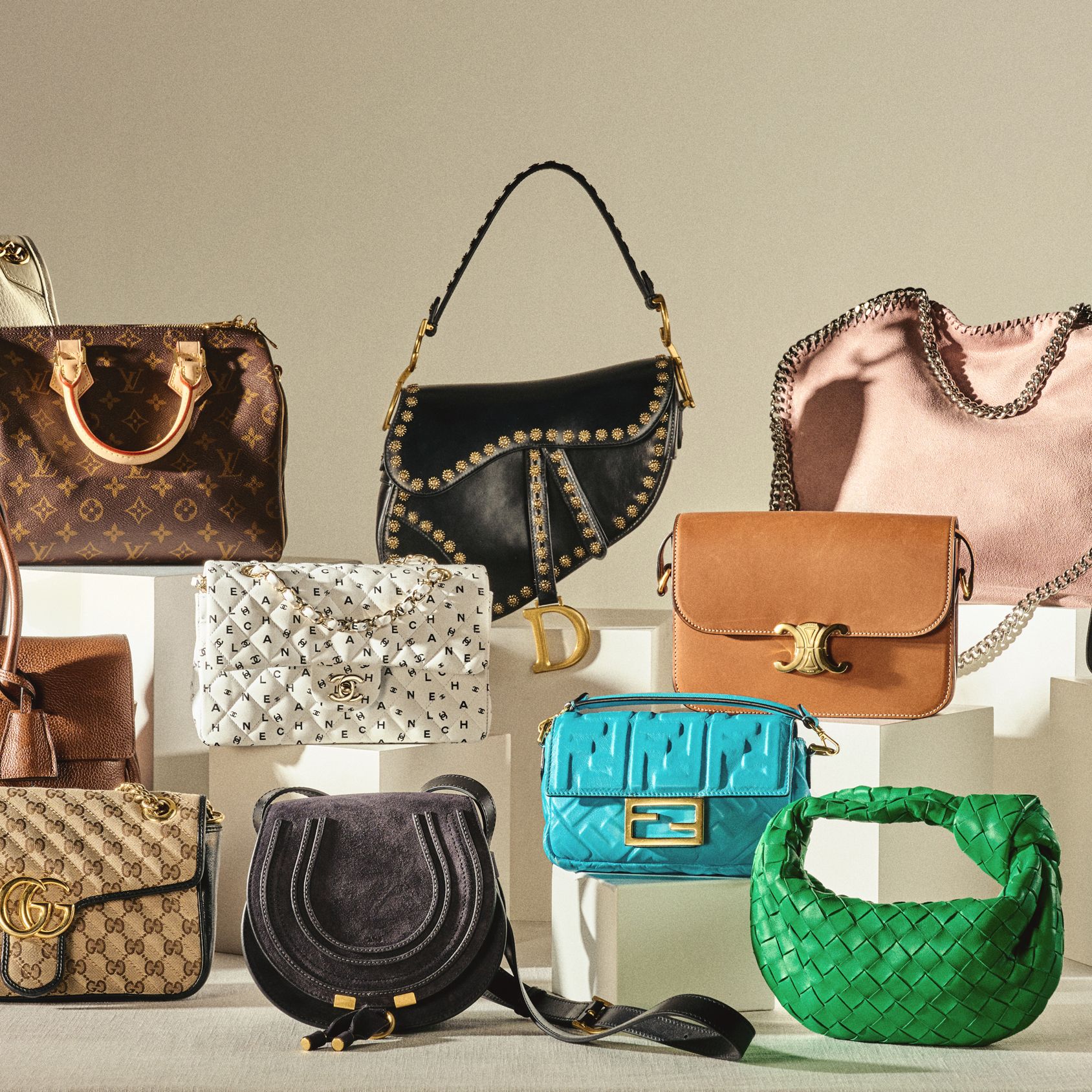
The global personal luxury goods industry — spanning designer clothing, handbags, shoes, and fashion accessories alongside jewelry and beauty — turns over approximately €358 billion per year (roughly $380–390 billion USD, depending on exchange rates). That places it firmly in the same tier as some of the world's largest asset classes, yet it remains almost entirely inaccessible to anyone outside the ultra-wealthy and institutional collector base. It is also one of the most brand-dependent, authentication-sensitive markets in existence — making it a compelling candidate for on-chain provenance and tokenized ownership.
According to the authoritative Bain & Company & Altagamma Worldwide Market Study, the sector has recently entered a "recalibration phase" following years of highly volatile post-pandemic growth. But recalibration does not mean contraction. Demand at the top end is stronger than ever — the question is who gets to participate.
1. Revenue by product category
High-end fashion brands generate revenue through a fairly distinct split between apparel and high-margin leather goods or accessories:
- Clothing & Apparel (~50.7%). The largest volume driver by category, heavily backed by women's wear (which owns over 52% of the apparel slice). Growth is increasingly fueled by high-end streetwear and tailored male luxury.
- Bags & Leather Goods (~30.8%). Handbags are the financial engine for many legacy houses. While traditionally highly resilient, this category has seen a slight correction as aspirational shoppers pull back due to steep price hikes.
- Shoes & Footwear (~10–12%). Dominated by designer sneakers and high-end heels. Casual, hybrid luxury footwear (like luxury-sportswear crossovers) continues to capture younger demographics.
- Accessories (~7–9%). Eyewear, belts, and small leather goods act as highly accessible "entry-level" luxury items, boasting massive gross margins of up to 75% for major brands.
2. The geography of the money
The revenue generated by the high fashion industry is unevenly distributed across the globe, with traditional powerhouses still dictating the bulk of the market:
- Europe (~35%). The largest regional market, anchored historically by France and Italy. It relies heavily on local luxury spending in fashion capitals like Paris and Milan, alongside inbound international tourist shopping.
- North America (~27%). The United States remains the single largest individual country market for luxury fashion, showing remarkable resilience even during shifting economic cycles.
- Asia-Pacific (~24%). While Mainland China has seen a slowdown from its peak growth era, it remains a massive cornerstone. Meanwhile, new luxury hubs are rapidly growing in Southeast Asia (Singapore, Thailand) and India.
- Latin America, Middle East & Africa (~14%). The Middle East (specifically the UAE and Saudi Arabia) alongside Latin American hubs like Mexico and Brazil now combine for a €45 billion market footprint.
3. The 0.1% effect and market polarization
The luxury fashion market is experiencing rapid polarization. Data indicates that the top 0.1% of ultra-high-net-worth clients now generate roughly 37% of total market value, while casual or "aspirational" buyers are increasingly pivoting toward premium mid-market brands or the booming second-hand luxury resale market, which has climbed to an estimated €50 billion in value.
This bifurcation is critical for tokenization. The top tier is not price sensitive — they are access-sensitive and authenticity-sensitive. Meanwhile, the aspirational segment is hungry for exposure to luxury assets but locked out by minimum purchase thresholds that start at four and five figures. A market with enormous value, intense brand loyalty, and a widening gap between who owns and who wishes they could own is a textbook case for fractional, on-chain models.
Why this matters for tokenization
Luxury fashion is arguably the closest parallel to gold in the consumer world: it is scarce, branded, portable, globally recognized, and retains value across decades if authenticated and preserved. Unlike aviation or real estate, fashion assets are also divisible by nature — a single collection can contain hundreds of individually serialized pieces. What blockchain adds is provenance, liquidity, and democratized access:
- Immutable provenance. Every stitch, previous owner, authentication certificate, and storage condition is recorded on-chain. Counterfeiting — a $4.5 trillion global problem — becomes exponentially harder when a digital twin accompanies the physical item.
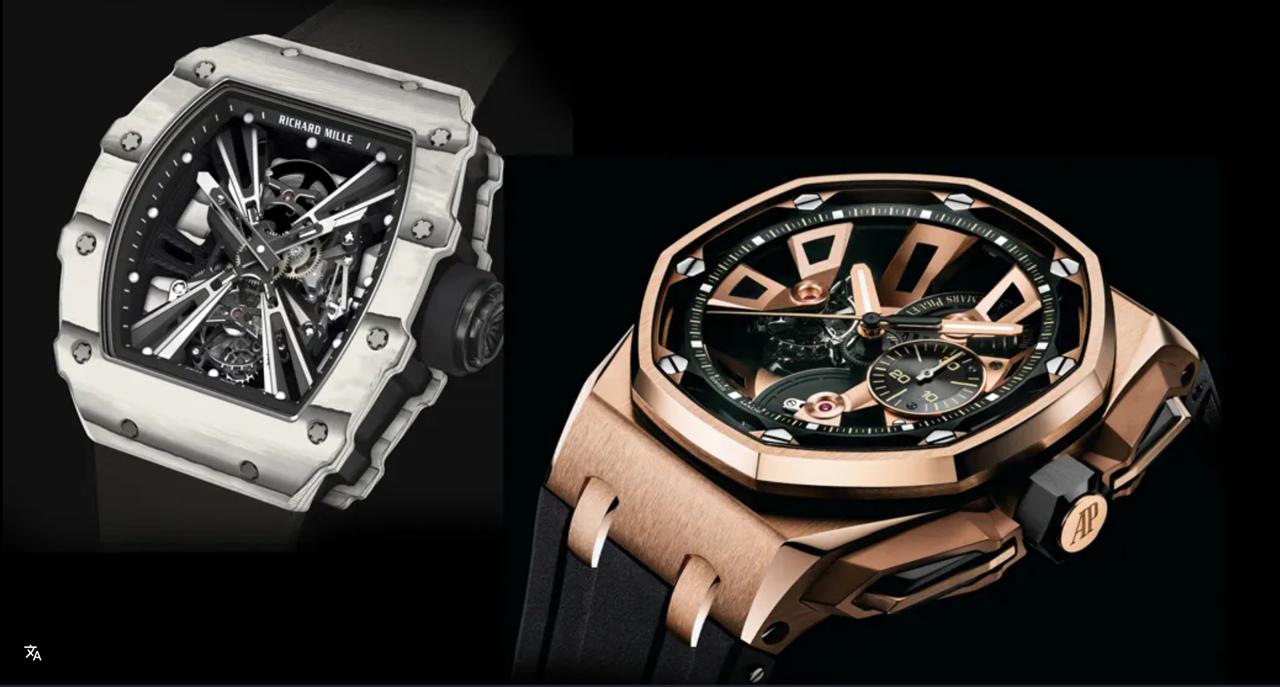
- Fractional ownership of high-ticket items. A limited-edition Birkin or vintage Patek can cost more than a house. Tokenization allows multiple investors to own a share of a single piece, unlocking exposure to appreciation without the full capital commitment.
- 24/7 secondary market for rare goods. Today, reselling a luxury handbag means consignment, auction houses, or peer-to-peer forums with high fees and limited liquidity. An on-chain marketplace enables instant, low-friction transfers with embedded royalties for the original house.
- Yield from lending and exhibitions. Museums, galleries, and brand exhibitions can "rent" tokenized pieces from the on-chain collective, generating income for holders — turning a static collectible into a productive asset, exactly the model DigiGold already uses for vaulted gold.
The same rails that prove every gram of gold in our vaults can prove every stitch, every previous owner, and every authentication event for a tokenized luxury asset. DigiGold's infrastructure — audited custody, on-chain proof of reserves, and fractional issuance — was built for any physical asset that benefits from transparency and shared ownership. High fashion is simply the next logical category on that journey.
Sources: Bain & Company / Altagamma Worldwide Luxury Market Study, IMARC Group, World Luxury Chamber of Commerce, Mission Media.
Interested in tokenized real-world assets?
DigiGold makes it simple to own, trade, and redeem physical gold — with more asset classes coming soon.